
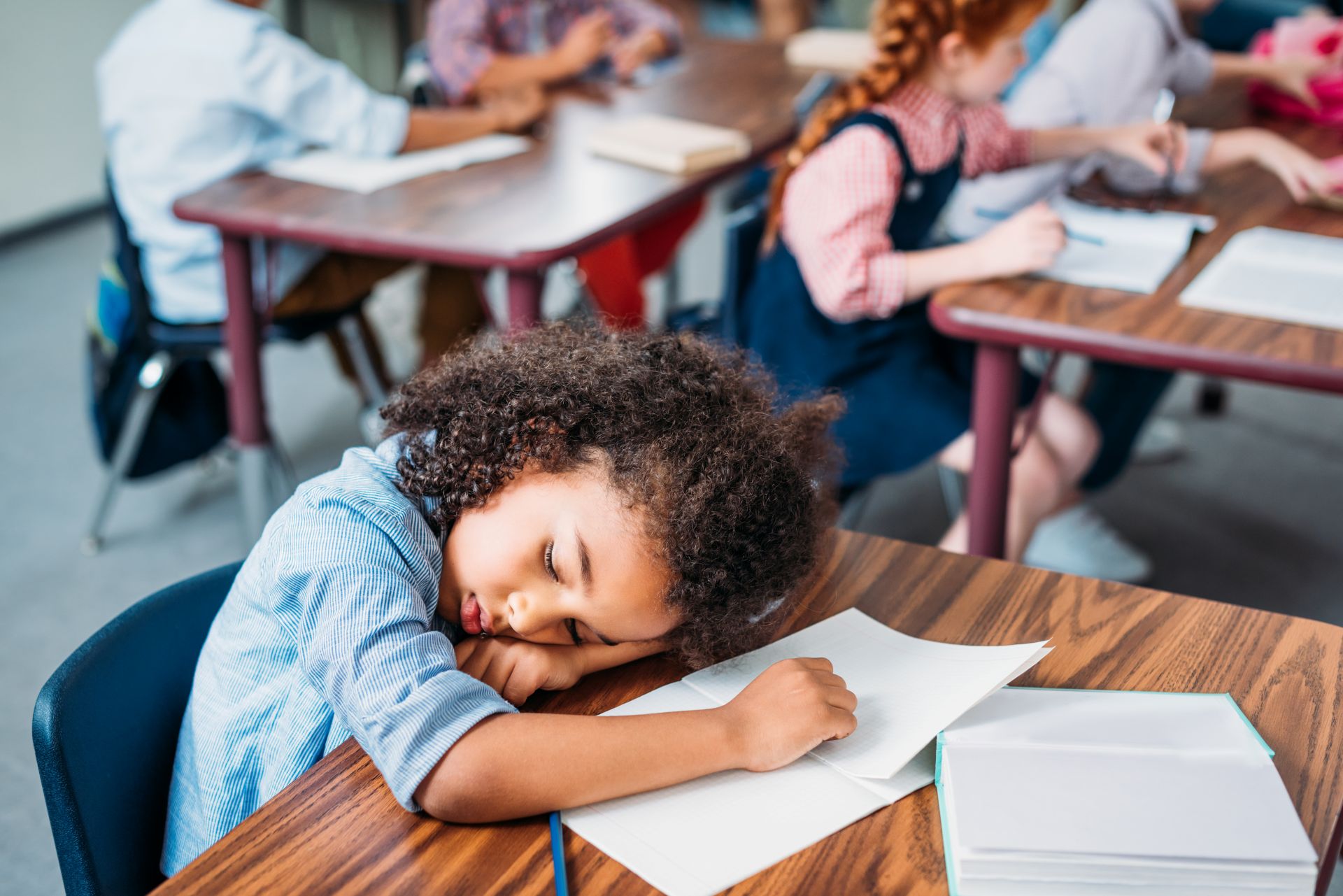
If you’re a parent, teacher or caregiver you know that children’s education is about more than just what happens in a classroom. It’s also about how well their minds and bodies are set up to learn. At 7HourSleep.co.za we believe that when children sleep well, their chances of academic success rise significantly.
1. When sleep supports learning
Sleep plays a key role in cognitive functions such as attention, memory, and problem-solving. Children who get adequate, good-quality sleep tend to:
-
Stay focused during lessons and homework.
-
Retain newly learned information better.
-
Approach tasks with more mental clarity and enthusiasm.
Research confirms that insufficient sleep in children and teens is tied to impairments in attention, memory and problem-solving. Sleep Foundation+2Harvard Medicine Magazine+2
2. The academic impact of too little or poor sleep
When children don’t get enough or good sleep:
-
They may struggle to concentrate and stay attentive in class. Sleep Foundation+1
-
Memory consolidation (the process of storing what was learned) may be disrupted. Harvard Medicine Magazine+1
-
Behavioural issues or emotional regulation problems can surface, which indirectly hinder learning. Sleep Foundation+1
-
Absenteeism, tardiness or lower class participation often rise. Sleep Foundation+1
3. The numbers don’t lie
-
For school-aged children (ages ~6-12) the recommended nightly sleep is often 9-11 hours. Sleep Foundation+1
-
Sleep research found clear links between short/fragmented sleep and weaker academic performance among children and adolescents. ScienceDirect+1
-
Brain development studies show that sufficient sleep supports brain growth and function, which is critical for learning. National Institutes of Health (NIH)
4. How parents and families can support better sleep for students
-
Establish a regular bedtime and wake-up schedule, even on weekends.
-
Create a sleep-friendly environment: cool, quiet, dark, device-free where possible.
-
Minimise stimulating screen time, heavy meals or caffeine close to bedtime.
-
Make learning schedules realistic: allow enough time for homework and revision without sacrificing sleep.
-
Encourage children (and teens) to view sleep as part of their study strategy—not a luxury or optional extra.
5. Why this matters in the South African context
In South Africa many children juggle school, homework, extra activities, long travel and sometimes unstable routines. In a busy home environment, sleep often gets squeezed. At 7HourSleep.co.za we emphasise that good sleep is part of the educational support system. When students sleep well, they walk into class ready to engage, ask questions, remember and perform—rather than merely existing.
In Summary
For children, sleep isn’t simply rest—it’s an active, essential component of learning, retention and academic success. When you support your children to get enough high-quality sleep, you’re setting them up not only for better grades but for firmer foundations in thinking, growth and lifelong learning.